Con una storia affascinante, una cultura unica, cibo delizioso, un’architettura mozzafiato e una splendida campagna, non c’è da stupirsi che la Costa Azzurra sia una delle destinazioni turistiche di lusso più visitate al mondo. Noterai che tutte le ville hanno cancelli, recinzioni alte e inferriate o persiane alle finestre. Non sono una questione di estetica, ma di sicurezza.

Secondo il Ministero dell'Interno francese, il numero di reati commessi nelle Alpi Marittime è aumentato del 28% dal 2021 al 2022.
Attenzione: È importante ricordare che, in Francia, chiunque sia testimone di un incidente e non cerchi di soccorrere la vittima – almeno chiamando i soccorsi – commette un reato penale, punibile con una multa fino a 75.000 € e una possibile pena detentiva di 5 anni. Per ricevere assistenza in qualsiasi situazione di emergenza, chiama il 112.
Tipi di reati Rivolto ai turisti (e alla gente del posto)
La Costa Azzurra pullula di turisti — e per lo più facoltosi. Non c’è quindi da stupirsi che pulluli anche di criminali. Ecco a cosa devi stare attento:
Furti con scasso

Il tipo di reato più diffuso in Francia sono i furti con scasso, che rappresentano quasi la metà dei casi denunciati, nonostante sono stati segnalati solo 56% di furti con scasso (il che ti fa capire cosa pensa la gente della polizia e della sua mancanza di impegno).
C'è stato un furto con scasso ogni due minuti in Francia, e la Costa Azzurra è la regione con il maggior numero di furti con scasso, con circa 8.000 furti con scasso ogni anno. Secondo uno studio condotto dall’INSEE, la regione Provenza-Alpi-Costa Azzurra è al secondo posto in Francia per numero di furti con scasso, subito dopo Parigi. Nel 2022 sono stati segnalati 23.400 furti con scasso o tentativi di furto con scasso nelle abitazioni.
I criminali di solito entrano di nascosto di notte e usano il gas per sedare le loro vittime nella villa, nella suite d’albergo o nell’appartamento della vittima (spesso entrano da una terrazza o da un balcone). Poi si prendono tutto il tempo necessario e rubano ogni oggetto di valore — compresi gli orologi e le fedi nuziali che le vittime indossavano mentre dormivano (ne parliamo meglio in questo avviso dettagliato su furti con scasso e avvelenamenti con gas).
Manca l'intervento della polizia e le pene (anche per furti con scasso particolarmente violenti) sono incredibilmente lievi, lasciando i criminali in libertà e incoraggiando nuove bande criminali a insediarsi in Francia.
Chi c'è dietro questi furti: I furti con scasso in Francia vengono spesso attribuiti a bande criminali provenienti dall'estero, ma in realtà La colpa è soprattutto degli uomini francesi. La polizia ha arrestato 20.800 persone sospettate di essere responsabili di molti dei 250.000 furti con scasso avvenuti in Francia nel 2019. La stragrande maggioranza erano uomini, 25% dei quali avevano meno di 18 anni e il resto meno di 30. Tra le persone arrestate con l’accusa di questi reati, 74% erano cittadini francesi, 11% provenivano dall’Africa e 11% da un altro paese europeo. Detto questo, in particolare in Costa Azzurra, Le bande dedite alla tratta di esseri umani provenienti dai paesi in via di sviluppo finiscono spesso sui giornali per le loro attività di effrazione.
Gli obiettivi: I gioielli sono l'oggetto più rubato durante i furti con scasso in Francia, secondo l'Osservatorio sulla criminalità segnalato. Seguono l'elettronica (31%) e poi il denaro (29%).
Consigli per ridurre il rischio: Di notte, i turisti dovrebbero assicurarsi di chiudere bene le porte con il catenaccio e di chiudere a chiave le finestre. Non viaggiare con oggetti di valore, non noleggiare auto di lusso e non tenere con te grandi quantità di contanti. Non vantarti sui social media e non taggare la tua posizione. Non dire agli sconosciuti dove alloggi o che sei in vacanza.

Borseggiatori
Un altro reato comune è il borseggio, che si concentra soprattutto nelle città più grandi e sui mezzi pubblici. Bande francesi e provenienti da paesi meno ricchi (in particolare Russia e Romania) trafficano in giovani donne e le costringono a lavorare in gruppo per derubare la gente con il borseggio. Circondano le vittime e le distraggono mentre una delle ragazze ruba i loro oggetti di valore dalla borsa, dallo zaino o dalle tasche.
A volte capita che uno scooter si avvicini bruscamente a una vittima e le strappi la borsa o l’iPhone. Oppure si accostano a un’auto e rubano oggetti di valore dal finestrino aperto. Alcuni criminali violenti aprono le portiere delle auto ai semafori per derubare le persone. Tieni le portiere dell’auto chiuse a chiave e non portare con te oggetti di grande valore.
Ci sono anche molti casi di aggressioni con il cloroformio sui treni. Un ladro ti si avvicina da dietro, si sporge e ti stordisce con il cloroformio, per poi rubarti le cose mentre sei svenuto. Questo succede soprattutto di notte e vicino a Marsiglia. Nei treni più affollati, ti rubano le cose mentre il treno è in stazione, poi scendono e scappano prima che tu riesca a prenderli.
Furto di orologi
I furti di orologi in Costa Azzurra, soprattutto a Cannes e Saint-Tropez, stanno diventando sempre più sfacciati, sofisticati e a volte violenti. Tra i luoghi più a rischio ci sono zone affollate come La Croisette a Cannes, dove i turisti sfoggiano spesso orologi di lusso, rendendoli bersagli facili. Durante grandi eventi come il Festival di Cannes, i ladri approfittano della folla, a volte usando diversivi o agendo in gruppo per sottrarre con discrezione gli orologi dai polsi delle persone. Ogni anno vengono rubati orologi per un valore di milioni di dollari dai polsi dei turisti. Anche nei ristoranti e nei bar sul lungomare si verificano spesso episodi simili: basta un attimo di disattenzione per diventare vittima di un furto. Ti consigliamo vivamente di lasciare a casa il tuo orologio costoso, ma se proprio non puoi farne a meno, assicurati che sia ben assicurato.
Furti sugli yacht

Un reato meno pubblicizzato ma piuttosto frequente è quello che prende di mira gli yacht. Si sono verificati diversi casi, in particolare a Antibes, dove alcuni membri dell'equipaggio sono stati aggrediti mentre tornavano sul loro yacht dopo una serata fuori. Gli yacht ormeggiati nei porti turistici della Costa Azzurra, dove la sicurezza tende ad essere un po' carente, a volte vengono presi d'assalto dai ladri che rubano oggetti di valore.
Grande eventi come il Festival di Cannes sono bersagli. Cannes è diventata sempre più pericolosa durante il festival, con bande di piccoli criminali alla ricerca di bottini facili. Furti negli hotel, scippi e rapine sono ormai all’ordine del giorno.
Molti criminali e prostitute si recano in zona per approfittare dei grandi eventi. Le prostitute spesso fanno anche le ladre: salgono a bordo degli yacht in gruppo e, mentre gli uomini sono distratti, una di loro si scusa per andare in bagno e invece va di stanza in stanza a rubare orologi, passaporti, contanti e altri oggetti di valore.
Aggressione fisica
I reati violenti, come le aggressioni sessuali e i crimini commessi con armi da fuoco, risultano relativamente bassi rispetto ad altre zone del mondo se si considera il numero di abitanti, ma sono in aumento e, secondo diverse fonti, più ci si sposta verso sud, più la situazione diventa pericolosa. In particolare, le città della Costa Azzurra come Marsiglia, Nizza e la Corsica registrano di gran lunga i tassi di criminalità più alti (ne parleremo meglio più avanti), dove i crimini con armi da fuoco e gli omicidi legati alle bande non sono rari.
Anche se di solito questi episodi non hanno ripercussioni dirette sui viaggiatori che visitano la zona, è bene tenerlo presente, dato che le bande della criminalità organizzata che operano in zona hanno una gerarchia ben definita e la maggior parte di loro parte dal gradino più basso, commettendo piccoli reati opportunistici, per poi farsi strada verso l’alto.
Se qualcuno ti minaccia per rubarti l'orologio o il portafoglio, fai così: NON resisti — dagli quello che vogliono. Ci sono tantissimi esempi di uomini che hanno opposto resistenza e sono finiti in ospedale per settimane, a lottare per la vita dopo aver preso una bella batosta. Ecco un altro motivo per cui è meglio lasciare i tuoi oggetti di lusso a casa.
Negli ultimi tre anni, nella zona della Costa Azzurra si sono verificati in media 48 omicidi all'anno.
Problemi relativi alla segnalazione dei reati
Spesso i turisti non denunciano gli incidenti. Dato che la regione dipende fortemente dal turismo, è risaputo che un gran numero di episodi non viene denunciato e di certo non viene reso pubblico. Capita spesso che gli stranieri, di solito turisti, siano vittime di reati nel sud della Francia. Considerati facili prede, gli stranieri di solito conoscono meno bene i dintorni, sono più rilassati perché in ‘modalità vacanza’ e raramente vogliono affrontare la seccatura di denunciare il reato alla polizia francese. Anche gli hotel spesso scoraggiano i turisti dal denunciare un reato, perché non vogliono che venga messo agli atti, dato che potrebbero essere ritenuti legalmente responsabili. Inoltre, se il turista non denuncia l’incidente, l’hotel può far rimuovere più facilmente le recensioni online della vittima.
Chi lavora nel settore turistico e in quello immobiliare nasconde le informazioni online. Nei forum online come TripAdvisor, la gente del posto (che lavora in settori che traggono profitto dai turisti stranieri) spesso si finge imparziale mentre interferisce nelle discussioni sulla criminalità e nega che la zona abbia alcun problema di sicurezza. Molti gruppi Facebook sono gestiti da persone che lavorano nel settore turistico e che hanno un interesse economico a nascondere la verità sui rischi; quando nei loro gruppi vengono pubblicati commenti sulla criminalità, spesso vengono cancellati in fretta.
La polizia francese ha la reputazione di non prendere sul serio la criminalità. In Francia, ci sono diversi problemi che rendono la polizia inefficace. Innanzitutto, è molto difficile essere licenziati, anche se non fai il tuo lavoro. Questo vale doppio per i dipendenti pubblici come i poliziotti. In secondo luogo, la polizia ritiene di poter fare ben poco per catturare i criminali (le leggi francesi limitano i poteri della polizia a tal punto da compromettere la giustizia), quindi scoraggia le vittime dal denunciare ufficialmente i reati. Non vogliono che le loro statistiche sulla criminalità appaiano ancora peggiori, dato che sanno che non riusciranno a catturare i ladri. Si dice che in Francia la polizia sia lenta a intervenire, si rifiuti di parlare inglese e, il più delle volte, ti dica che non c’è nulla da fare. Questo, ovviamente, non fa altro che incoraggiare e spavaliare i criminali.

Tutto ciò rende difficile valutare con precisione la reale entità della minaccia in alcune regioni; tuttavia, grazie alle nostre fonti di intelligence locali in quelle zone, riusciamo a mettere in evidenza alcune delle principali preoccupazioni e dei rischi legati agli spostamenti da e verso alcune aree lungo la costa meridionale.
Se sei stato vittima di un reato, puoi segnalalo alla polizia online.
Consigli per evitare la criminalità
Il fatto che la Costa Azzurra attiri i turisti più facoltosi di tutto il mondo non sfugge ai truffatori del posto, che hanno escogitato una serie di raggiri per spillare ai viaggiatori i loro sudati risparmi. Sapere a cosa stare attento e prendere alcune semplici precauzioni, che magari a casa tua non sarebbero necessarie, può fare la differenza tra un viaggio fantastico e un vero e proprio fiasco:
- Non portare in Costa Azzurra oggetti di valore come borse di marca di alta gamma, gioielli costosi, orologi del valore di oltre $5.000 o mazzette di contanti.
- Fai attenzione quando sei in giro. I reati più comuni sono i borseggiatori che agiscono sui mezzi pubblici nelle ore di maggiore affluenza. Questo metodo viene usato anche contro i pedoni che camminano con borsette, borse o macchine fotografiche appese alla spalla dal lato della strada. Per quanto riguarda la sicurezza personale sui mezzi pubblici, tieni presente che i treni molto tardivi – verso mezzanotte – sulla linea occidentale (Nizza – Cannes – Saint-Raphaël – Marsiglia) non godono di buona reputazione. Molte stazioni non hanno personale e i treni viaggiano quasi vuoti, quindi chi viaggia da solo farebbe meglio a evitare, se possibile, di spostarsi a tarda ora su queste tratte. Fai attenzione a chiunque sembri spingersi tra la folla nelle code per creare distrazione: è una tecnica molto usata dalle bande di borseggiatori; mentre uno crea la distrazione, l’altro prende di mira i tuoi effetti personali. La stessa tecnica viene usata anche da ladri e borseggiatori nelle località turistiche più frequentate e presso i bancomat.
- Prendi delle precauzioni ragionevoli per proteggerti dalla criminalità di strada. Tieni i documenti importanti e gli oggetti di valore all’interno delle tue borse, utilizzando gli scomparti interni, e porta la borsa a tracolla invece che sulla spalla: in questo modo sarà più difficile che te la rubino. Se la tracolla è corta, porta la borsa sul petto invece che sulla spalla. Non mettere in bella vista oggetti di valore o contanti.
- Ti consigliamo vivamente di conservare delle copie della pagina con i dati anagrafici del tuo passaporto, oltre che del certificato di nascita, della patente, dei biglietti del treno o dell’aereo e delle carte di credito. Conserva gli originali e le copie in un luogo sicuro, ma in posti diversi, preferibilmente online in modo protetto. Se possibile, valuta di scansionare questi documenti e salvare i file nel tuo account e-mail o su una piattaforma crittografata come Sync.com. In questo modo sarai sicuro che i tuoi dati importanti siano sempre salvati e a tua disposizione.
- Tieni a portata di mano un elenco dei numeri di telefono di emergenza per contattare le banche in caso di furto o smarrimento delle carte di credito. È molto più difficile cercare di trovare queste informazioni dopo che è successo.
- Si registrano molti furti dalle auto. Non lasciare nulla in vista all’interno dell’auto e, soprattutto, non lasciare oggetti di valore, passaporti, soldi o carte di credito all’interno del veicolo. Non lasciare mai gli effetti personali incustoditi e usa parcheggi sicuri, soprattutto di notte. Stai attento quando noleggi un’auto, perché i veicoli a noleggio sono un bersaglio privilegiato. Quando guidi, diffida se qualcuno ti fa cenno di fermarti: è comune che i ladri blocchino la strada o distraggano il conducente lampeggiando con i fari, con l’unico scopo di farti fermare. È proprio in quel momento, una volta che ti sei fermato, che coglieranno l’occasione per rubarti le borse o altri oggetti di valore. Stai particolarmente attento quando sei fermo al semaforo, perché spesso i ladri in scooter strappano le borse dal sedile del passeggero anteriore. Tieni sempre i finestrini chiusi e le portiere bloccate.
- Tieni presente che di recente si sono verificati casi di “homejacking”: i ladri entrano nelle ville e, trovando le chiavi dell’auto in bella vista, rubano anche l’auto a noleggio. Dato che l’auto non è stata “sottratta con la forza” (cioè non sei in possesso delle chiavi), chi ha noleggiato l’auto si è ritrovato non coperto dall’assicurazione sul noleggio e responsabile dell’intero valore di sostituzione dell’auto.
- In un bar all’aperto, infila una tracolla della borsa sotto la gamba della sedia e non appoggiare il portafoglio o il cellulare sul tavolo, altrimenti potrebbero sparire in un batter d’occhio.
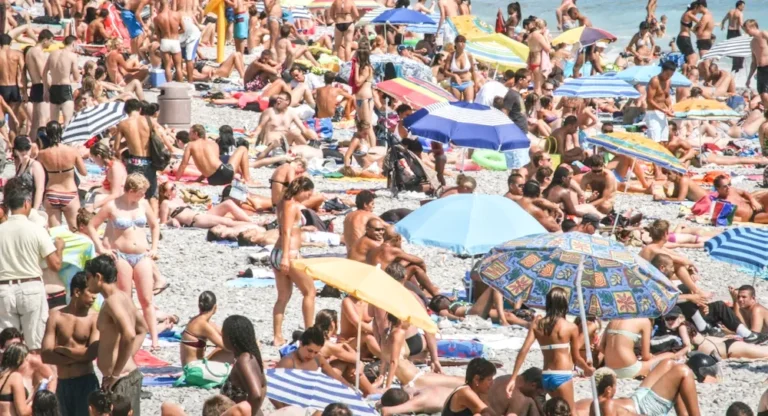
- I furti in spiaggia sono in aumento: se vai a fare un tuffo, non lasciare le tue cose incustodite, e se stai prendendo il sole, meglio usare la borsa come cuscino piuttosto che lasciarla lì per terra, pronta per essere rubata. Anzi, meglio non portare in spiaggia nulla che ti spezzerebbe il cuore se venisse rubato.
- Se affitti una villa, stai attento e assicurati che finestre e porte siano sempre chiuse a chiave e con il catenaccio, soprattutto di notte.
- Ci sono notizie di ladri che si spacciano per poliziotti, usando una luce blu lampeggiante sulla loro auto, e che fermano gli automobilisti per poi chiedere loro portafogli, cellulari e altri oggetti di valore. Questi furti avvengono di notte sulle autostrade. È una cosa a cui devi stare attento se sei al volante.
- I rapinatori di strada possono ricorrere alla violenza contro le loro vittime, che in alcuni casi possono addirittura perdere la vita. Fai attenzione alle bande agli angoli delle strade (soprattutto a Marsiglia e Nizza) che sono alla ricerca di potenziali vittime. Se ti rapinano, dai ai rapinatori quello che ti chiedono. Niente vale più della tua vita.
- I numeri di emergenza sono: 18 per i vigili del fuoco e i soccorsi, 17 per la polizia e 15 per le emergenze mediche. Se hai qualche dubbio, potrebbe essere una buona idea salvarli sul tuo cellulare prima di arrivare. C'è anche un numero di emergenza valido in tutta l'Unione Europea, il 112, che ti metterà in contatto con un operatore che parla sia inglese che la lingua del paese in cui ti trovi.
Questi consigli non vogliono certo farti passare la voglia di andare nel Sud della Francia, ma tenendoli a mente potrai goderti una vacanza più rilassata e affrontare con meno stress eventuali problemi imprevisti.
Il segreto per trascorrere un soggiorno senza intoppi in Costa Azzurra è stare tranquilli ma rimanere vigili. Tieni d’occhio le notizie sulla criminalità nella zona e, quando possibile, chiedi consigli a qualcuno del posto di cui ti fidi. Tieni sempre d’occhio dove metti i tuoi oggetti di valore, che si tratti del passaporto, del portafoglio, di una borsa firmata o di un orologio costoso. Rimani in zone affollate e non allontanarti dai sentieri battuti, soprattutto di notte. Ma soprattutto, mettiti sempre nei panni del malintenzionato e chiediti se stai rappresentando un bersaglio facile. Se è così, allora fai qualcosa per evitarlo.
I reati sopra citati non sono certo un fenomeno esclusivo della Costa Azzurra. La maggior parte di questi reati si verifica quotidianamente in molte delle principali città del mondo. Basta stare all’erta e usare un po’ di buon senso per assicurarti che il tuo soggiorno sia memorabile per i motivi giusti.

Ulteriori analisi: Per città
Ecco un'analisi dettagliata della criminalità nelle zone più pericolose, suddivisa per città:
- Marsiglia: I tassi di criminalità sono più di 5 volte superiori a quelli di qualsiasi altra città in Francia, soprattutto per quanto riguarda gli omicidi.
- Corsica: Il tasso di omicidi più alto dell'Europa occidentale.
- Nizza: È pieno di borseggiatori e ladri di poco conto.
- Cannes: Dove i furti di orologi e gioielli sono fuori controllo.
- Questo sito web ti permetterà di approfondire il tipo e il numero di reati segnalati per zona.
La zona più sicura: Monaco
La città più sicura della Costa Azzurra (e forse del mondo) è Monaco. Con un sistema di videosorveglianza che copre tutto il territorio, tre stazioni di polizia e più di un agente ogni 100 residenti, Monaco ha standard di sicurezza così rigidi da essere considerata il miglio quadrato più sicuro del mondo.
I 519 agenti di polizia, che devono seguire un programma di addestramento intensivo di due anni. Non scherzano affatto: le regole sono estremamente rigide e, anche se Il carcere con vista sul mare di Monaco è notoriamente confortevole, il sistema giudiziario di Monaco commina quasi sempre le pene massime. Quindi comportati bene!

Monaco dispone di un sistema di videosorveglianza attivo 24 ore su 24 che copre l'intera superficie del Principato, compresi la maggior parte degli atri degli edifici residenziali, un sistema di trasmissione degno dei migliori eserciti del mondo e la possibilità di bloccare tutti gli accessi in entrata e in uscita dal Principato in pochi minuti. E non dobbiamo dimenticare le squadre di sorveglianza all’interno del Casinò e in tutti i locali da gioco e gli hotel.
È una soluzione perfetta sia per i residenti che per i turisti, perché non dovrai preoccuparti che ti rubino il braccialetto di diamanti o la borsa firmata, né che tuo figlio si smarrisca. Se tuo figlio si allontana, la polizia potrà rintracciarlo grazie al sistema di videosorveglianza con riconoscimento facciale e ritrovarlo in pochi minuti.