

Ярлыки
Рождение «Французской Ривьеры»
The highly-Instagrammable seaside town of Ментон Возможно, он менее известен, чем его соседи по Ривьере, но он, наряду с Nice, сыграл важную роль в том, что Французская Ривьера стала, возможно, старейшим местом зимнего отдыха в мире. Jean Cocteau painted his famous frescoes of love here, and English nobles planted exotic gardens around Italianate villas shaded by palm trees.
Tribes and Romans
Следы оккупации датируются примерно 3000 годами, но до конца 18 века территория, позже известная как Лазурный берег, была отдаленным и бедным регионом, известным в основном рыболовством, оливковыми рощами и цветами, используемыми в парфюмерии. Племенные люди, которые теперь называются «лигурийцами», были первыми известными жителями Французской Ривьеры в исторические времена.
Об этих аборигенах мало что известно, кроме того, что они построили укрепленные деревни, особенно на месте современного Nice. Несколько столетий спустя греки из перенаселенных Phocaea moved, first into Massilia (Марсель), then outwards to Hyères and Nice, как они обычно делали везде, где была возможность заняться промышленностью или торговлей.
The Greeks brought the vine (thoughtfully informing the earlier inhabitants what could be extracted from the wild stock indigenous to the area) as well as olives and other products of their advanced civilization. The Celts, who were at the same time putting down roots as far south as the Riviera, preferred the wilder hill country up from the coast — and to raid rather than trade.
The inhabitants of the land along this coastal strip had been accustomed to operating independently of “central” control. The Roman’s forced occupation –as commemorated by the trophy in La Turbie— было важным исключением, но даже тогда численность оккупантов была невелика, и у них была конкретная задача — защищать римские подступы и торговые пути, мало заботясь о местных жителях.
После отступления римлян и до XVIII века островки заселенных земель были крошечными по сравнению с широкими полосами скалистых, кустарниковых склонов и болотистых речных эстуариев. Сообщества были изолированы. Комары сводили всех с ума, а передвижение было опасным и медленным (мало что изменилось).
Above all, it was a dull place, poor and uncultured, dilapidated and neglected by the outside world. It was waiting to be “rescued”. Divided between French and “Italian” spheres of influence, it was not a coherent society even within its contentious borders. Then came the British to transform the area and create the “French Riviera” as we know it…
How the British Transformed the French Riviera
В XVIII веке среди английской аристократии развилась страсть к путешествиям, особенно к зиме на Французской Ривьере. Рассматриваемый как райский сад, юг Франции также был естественным «маршрутом» в Италию и ее культуру, которая была модным местом для знакомства с ней среди элиты.
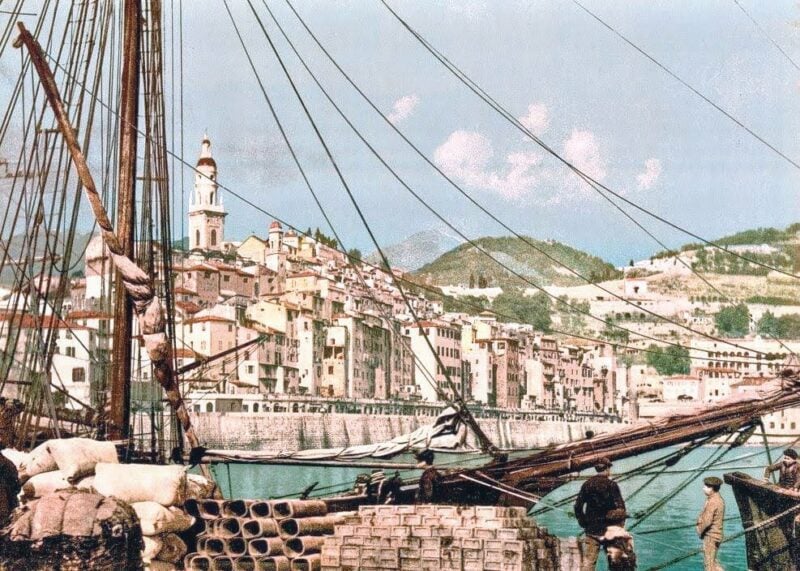
Эту сезонную миграцию английских высших классов быстро скопировали другие европейские элиты, все в поисках мягкой зимы. В начале 19 века появился аргумент о здоровье — люди отправлялись на эти зимние курорты в качестве лечения.
The 18th century created the winter resort, and the 19th century sealed it.
The first British traveller to describe the area’s health benefits was the novelist Tobias Smollett, посетивший Nice в 1763 году, когда это еще был итальянский город в пределах Королевство Сардиния. Он привлек внимание британской аристократии к Nice и ее теплому зимнему климату:Travels through France and Italy (особенно Nice)', написанный в 1766 году. Это весьма забавный путевой дневник в виде писем, в котором он влюбился в Nice, предвидел достоинства Канн (тогда еще небольшой деревни) как курорта. и предвидел возможности Corniche roads. Soon after it was published, sickly Brits started traveling to the French Riviera, thereby establishing it as the first winter resort area in the world.
Almost immediately, Scottish doctor John Brown picked up on this idea and became famous for prescribing what he called ‘climato-therapy’: a change in climate, to cure a variety of diseases. In 1780, he published his ‘Elements of Medicine‘, which for a time was an influential text. It set out his theories, often called the ‘Brunonian system of medicine’, which essentially understood all diseases as a matter of over or under-stimulation. The controversial and simplistic so-called ‘Brunonian theory' продиктовал, что все болезни попадают в одну из двух категорий: те, которые вызваны отсутствием стимула, и те, которые вызваны слишком большим стимулом. Он и его современники считали, что средиземноморский климат предлагает значительное разнообразие тонизирующих и седативных условий.
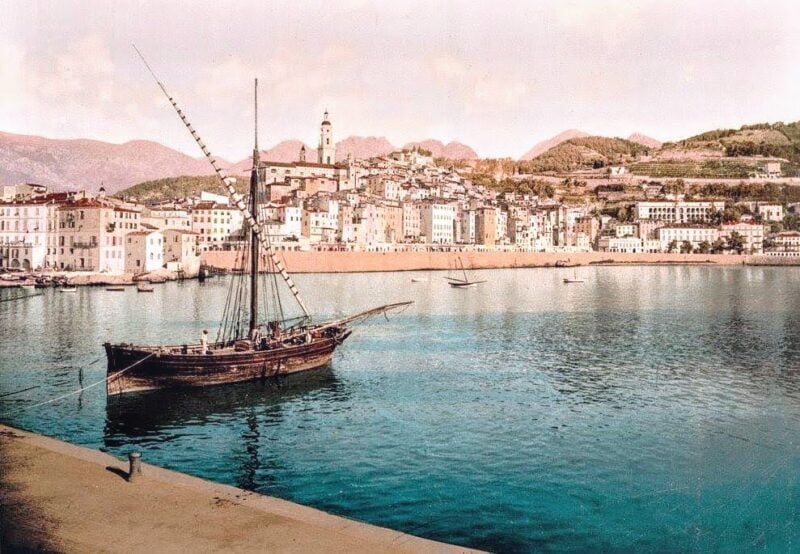
Keeping the momentum going, British doctor John Bunnell Davis wrote his 1807 book, ‘Древняя и современная история Nice‘. It became yet another voice which advocated for the French Riviera’s curative effect on disease. He wrote, “Who can for a moment doubt but that health is more likely to return when the path to its acquisition is strewn with flowers; when the painful burden that overwhelms the soul is alleviated by agreeable occupations, and when anxiety is exchanged for patience and resignation?”
Эта теория доминировала в европейской медицинской мысли примерно столетие, до конца 1800-х годов, и все средиземноморское побережье стало чем-то вроде зимнего курорта для страдающих от всех видов болезней (особенно туберкулеза, который убивал каждого шестого в Англии). После того, как Наполеон был побежден в 1815 году и на континенте воцарился мир, британцы в частности начали стекаться в Nice, в основном для своего здоровья, и всегда зимой.
François-Joseph-Victor Broussais, a famous French physician, became very popular in the beginning of the 1820s; his medicinal theory was based on the Brunonian theory. French historian Paul Gonnet noted that doctors sent “to our shores a colony of pale and listless English women and listless sons of nobility near death”.
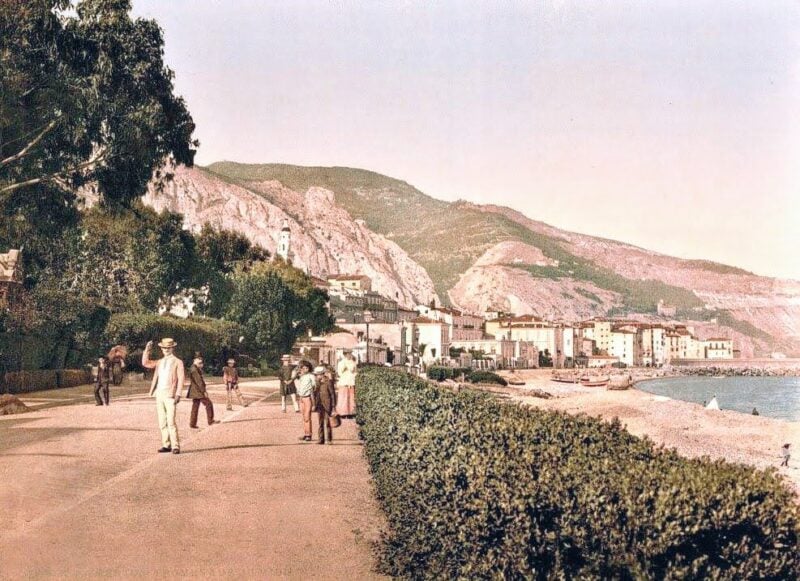
The French Riviera’s popularity further exploded when British doctor James Henry Bennet started promoting Menton’s climate as a health cure-all. Bennet had studied medicine in Paris, and after working as a doctor for 25 years, contracted what he self-diagnosed as tuberculosis (это было до того, как они узнали, что причиной были бактерии). В 1859 году он утверждал, что отправился в Ментону, чтобы «… умереть в тихом уголке, как раненый обитатель леса» (но более вероятно, что он был знаком с теорией Брунона и отправился лечиться). Но вместо этого его здоровье значительно улучшилось, и он посетил Италию в следующем году, но обнаружил, что «негигиеничное состояние больших городов этой классической страны сводит на нет все ранее достигнутое благо». Не впечатленный Италией, он вернулся в Ментону и начал медицинскую практику.
When he was completely healed he returned to England to let his patients know about Menton. Word spread fast, as notable patients of Bennet’s included Robert Louis Stevenson и Королева ВикторияС тех пор он каждую зиму проводил в Ментоне.
His 1861 book ‘Winter and Spring on the Shores of the Mediterranean‘ quickly boosted the popularity of Menton (then called ‘Mentone’) as a destination. Bennet felt that the hot and dry climate of the French Riviera as well as a proper diet cured tuberculosis sufferers. It was later translated into other languages and published in other countries, bringing everyone from Germans to Americans to Menton. Other doctors soon joined in the chorus.
Пока Lord Brougham had recently put Cannes on the map Для тщательно отобранных членов высшего общества Лондона читательская аудитория Беннета была широко распространена и создала подавляющий приток туристов. Многие аристократы, в основном с различными недугами, стекались на Французскую Ривьеру в надежде на излечение. Без сомнения, не одна жертва «чахотки» страдала астмой, а не туберкулезом, и бегство от холодных, сырых и очень смоговых британских городов было бы всем тем «лечением», в котором они нуждались.
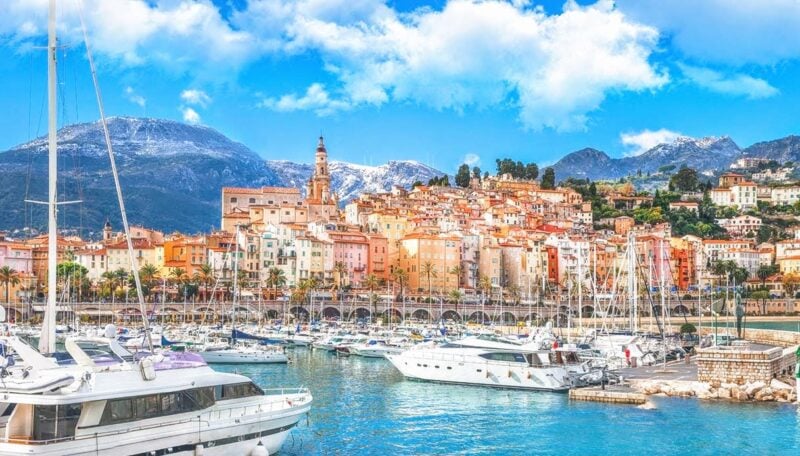
In 1882, Королева Виктория Вняла совету Беннета и приехала на длительный отпуск, открыв шлюзы для королевских особ и высшего общества. После этого она приезжала сюда восемь раз и рассказывала своим друзьям, как сильно она любит этот район.
At the Queen’s suggestion, Winston Churchill chose to paint its’ landscapes, and many famous 19th century travel writers (such as Robert Louis Stevenson, Somerset Maugham, Scott Fitzgerald, Ernest Hemingway, H.G. Wells, Edith Wharton, Louisa May Alcott and Aldous Huxley) started writing about it.
Railways were built, grand villas replaced stone farmhouses, and ornate carriages carrying dukes and princes started showing up along high coast roads above the sparkling sea. Soon after, the French Riviera became famous in the USA as a high-end and glamorous vacation spot for celebrities and jet-setters.
Throughout the 20th century, Americans further transformed the French Riviera, with many of the most famous American authors and movie stars spending time or moving here. Superstar Грейс Келли married the Prince of Monaco, Rita Hayworth met and married a prince here, Шон Коннери купил виллу в Nice and filmed scenes of ‘Never Say Never’ in the old town of Menton, and Americans with wealth or fame vacationed here.
Without the influence of wealthy Brits and Americans, the French Riviera would not be what it is today.
The French finally discovered the area as a vacation spot well after the English-speakers, and eventually started building smaller vacation homes and apartment blocks up and down the coast. Now, the French Riviera is a crowded mix of tourists, English-speaking expats, and French people.